The Boundaries of the Game
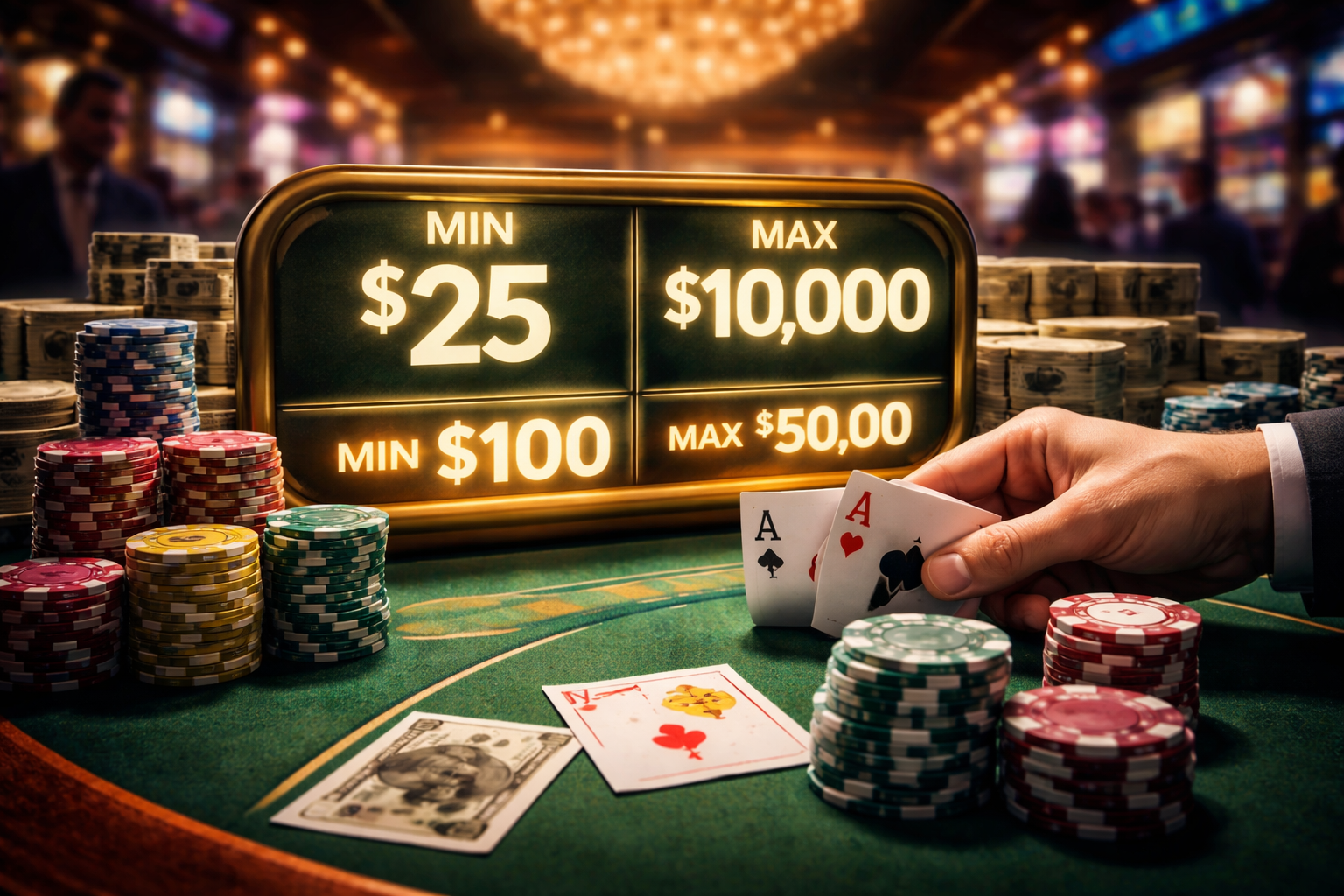
Table limits set the framework for every casino table game. Each table displays a minimum bet and a maximum bet. These numbers define the lowest and highest amounts a player can wager in a single round. The limits shape the pace of the game and the atmosphere around the table. Low-limit tables attract casual players and beginners. High-limit tables create a more intense environment with larger wagers and faster decisions.
Casinos use table limits to manage risk and maintain balance in their gaming floors. Minimum bets guarantee steady activity and revenue at each table. Maximum bets protect the casino from unusually large payouts during lucky streaks. These limits also help casinos organize their gaming areas. Many venues offer a range of tables with different limits so players can find a comfortable entry point.
Different games often feature different betting ranges. Blackjack tables often include low minimum bets during quiet hours. Roulette tables may present a wider spread between the minimum and the maximum wagers. Baccarat often appears in both standard and high-limit sections. Players who want to explore these variations can continue reading about how limits shape decision making and overall strategy at the table.
How Minimum Bets Shape Player Behavior
Minimum bets have a strong influence on how players manage their bankroll. A higher minimum bet requires a larger starting balance. Each round removes a larger portion of the bankroll. This situation can shorten a playing session and increase pressure during each decision. Players often adopt more careful strategies at tables with higher entry stakes.
Lower minimum bets encourage a different style of play. Players gain more freedom to experiment with betting patterns and pacing. A smaller wager allows longer sessions and slower bankroll decline. Many beginners prefer low-limit tables for this reason. These tables provide a learning environment and a relaxed atmosphere.
Minimum limits also affect table selection and crowd behavior. Casual players often gather around low-stake tables. These tables tend to move at a slower pace with more conversation and observation. Higher minimum tables usually attract experienced players who prefer faster rounds and fewer interruptions. The atmosphere changes with the stake level, which adds another strategic element to the decision of where to sit.
The Strategic Impact of Maximum Bet Limits
Maximum bet limits influence the ceiling of every betting plan. A player may wish to increase wagers after a loss or during a winning streak. The table limit creates a stopping point for these increases. This cap forces players to adjust their plans and maintain discipline in their approach.
Many betting systems rely on gradual wager increases. These systems assume that a player can continue doubling or expanding the bet size after each loss. A maximum limit interrupts this progression. The system loses effectiveness once the wager reaches the table cap. Players must account for this restriction before applying any betting strategy.
Maximum limits also shape the emotional side of gambling. A defined ceiling prevents extremely large wagers during moments of excitement. This rule protects the bankroll from sudden escalation. It also stabilizes the flow of the game for the entire table. Players who understand this boundary can build a more balanced approach to wagering and avoid unrealistic expectations.
Choosing the Right Table for Your Strategy
Selecting the right table limit represents an important strategic choice. A player should consider bankroll size before choosing a seat. A large bankroll allows participation at higher minimum tables. A modest bankroll benefits from smaller limits and longer sessions. This decision determines how much flexibility exists during play.
Risk tolerance also plays a role in table selection. Some players enjoy the excitement of larger wagers and faster outcomes. Others prefer steady play with minimal pressure. Lower limits provide space for careful decisions and slower bankroll movement. Higher limits demand confidence and quick judgment.
Observation can help players identify a suitable table before joining the game. A quick look at the betting range provides valuable information. The pace of play and the mood of the table also reveal the general environment. Smart players match these factors with their personal strategy. A well-chosen table creates a more enjoyable session and supports a disciplined approach to casino gaming.
Advertisement